
When buyers set a budget, they usually focus on two numbers: the price of the home and the interest rate. In Florida, a third number deserves the same attention: Florida homeowners insurance.
Insurance can add hundreds of dollars to your monthly housing costs. If you are financing, your lender will generally require proof of acceptable coverage before closing. Understanding what drives your premium—and checking it early—can help you avoid surprises on a home you love.
Where Florida Homeowners Insurance Stands Today
Florida remains an expensive state for homeowners insurance, although recent reports show signs of improvement in parts of the market.
According to Insurify’s September 2026 analysis, Florida’s average annual home insurance premium reached $8,486 in the first half of 2026, an increase of 2.3% from the end of 2025. Florida ranked as the most expensive state in that analysis.
There are also encouraging developments. In an October 2026 update, the Florida Office of Insurance Regulation reported that, since January 2024, 48 companies had filed for rate decreases and 53 had requested no change.
For buyers, the takeaway is practical: shop around and get a quote for the actual property. Statewide averages do not tell you what a particular home in Jacksonville, St. Johns County, Clay County, or Nassau County will cost to insure.
What Drives Your Premium?
Two homes at the same price can carry very different insurance costs. Factors to discuss with your insurance agent include:
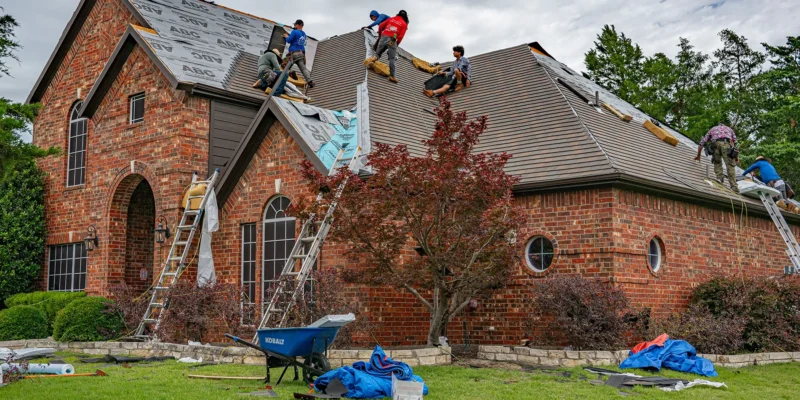
- Roof age and condition. The roof’s condition, materials, and remaining useful life can affect coverage options and eligibility. Ask what documentation the insurer needs before assuming a roof must be replaced.
- Year built and construction. Construction materials and documented building-code features can influence how an insurer evaluates the home.
- Wind mitigation features. Qualifying roof attachments, roof-to-wall connections, opening protection, and other features may earn discounts on the wind portion of your premium.
- Location. Coastal exposure and other property-specific risks affect insurance decisions. Flood exposure should also be evaluated separately.
- Major systems. For an older home, an insurer may require a four-point inspection covering the roof, electrical, plumbing, and heating and air-conditioning systems.
- Coverage and deductibles. Compare dwelling limits, exclusions, roof-loss settlement terms, and hurricane deductibles alongside the annual price.
The Florida Department of Financial Services homeowners insurance guide explains inspections and coverage considerations. The Florida Office of Insurance Regulation also provides wind mitigation resources.
Get Quotes Early, Not the Week Before Closing
Our recommendation is to begin getting insurance quotes during your inspection period, while you still have time to review the costs and address concerns.
- Ask for roof information and any existing wind mitigation report. Share available permits, inspection reports, and improvement records with your insurance agent. The agent can tell you whether updated documentation is needed.
- Consider an independent insurance agent. Ask which carriers they represent and whether they can compare several options for the property.
- Compare equivalent coverage. A lower premium may come with higher deductibles, different exclusions, or less favorable roof coverage.
- Compare homes on total monthly cost. Include principal, interest, taxes, homeowners insurance, any flood insurance, HOA dues, and applicable CDD assessments.
- Understand your contract deadlines. Review your options with your real estate professional before deadlines expire. Your ability to renegotiate or cancel depends on the signed contract.
A simple budgeting example: a $6,000 annual premium equals $500 per month, while a $3,600 premium equals $300 per month. That hypothetical $200 monthly difference belongs in your comparison before you make a final decision.
Do Not Forget Flood Insurance
Standard homeowners insurance generally excludes flood damage. Flood coverage requires a separate policy.
If the home is in a high-risk flood area and your mortgage is subject to federal flood-insurance requirements, your lender will require coverage. Ask your lender and insurance agent to confirm the requirements for the property. A lender or insurer may also require flood coverage in other circumstances.
Even when coverage is optional, consider getting a quote so you can make an informed decision.
FloodSmart explains that National Flood Insurance Program policies generally have a 30-day waiting period. However, qualifying coverage purchased in connection with making, increasing, extending, or renewing a mortgage can take effect without that wait. Have your insurance agent confirm the effective date and any applicable exception.
Why Timing Matters in Florida
The Atlantic hurricane season runs from June 1 through November 30, according to the National Hurricane Center. Tropical storms can also occur outside those dates.
Storm-related restrictions can affect when coverage may be bound. For example, Citizens Property Insurance suspends binding new coverage and certain coverage increases when a tropical storm or hurricane watch or warning is issued for any part of Florida. Other insurers have their own rules.
If you are closing during hurricane season, ask your insurance agent how early you can secure coverage and what could interrupt that process. Late fall still overlaps hurricane season, so the closing date alone should never replace early planning.
Already a Homeowner? Check Your Discounts
If you own an older home, a wind mitigation inspection may document qualifying features that could reduce the wind portion of your premium. Ask your insurance agent whether your current report reflects improvements made since your last inspection.
The My Safe Florida Home program offers free wind mitigation inspections and grant assistance for eligible homeowners. Its published program information includes matching grants with a maximum state contribution of $10,000 and a separate grant option for qualifying low-income homeowners.
Eligibility, funding, and application procedures apply. Check the program’s current requirements and receive any required grant approval before starting work.
Where New Construction Fits In
If insurance costs are a concern, include new construction in your comparison. A newly built home may have documented wind-resistant features and newer systems that an insurer considers favorably.
However, do not assume every new home includes impact-rated windows or the same level of opening protection. Ask the builder for the home’s specifications and have your insurance agent evaluate the actual property.
Compare the insurance quote alongside the purchase price, taxes, HOA dues, and any CDD assessments. Explore new construction in Northeast Florida to see options that may fit your budget and lifestyle.
Florida Homeowners Insurance FAQs
Should I get an insurance quote before making an offer?
If possible, request a preliminary quote before making an offer. Once under contract, work toward confirming coverage and costs early in your inspection period. Final terms depend on the insurer’s review.
Does a four-point inspection replace a wind mitigation inspection?
No. A four-point inspection addresses the roof and major systems. A wind mitigation inspection documents features that may qualify for windstorm premium discounts. Your insurer may request one or both.
Does homeowners insurance cover hurricane flooding?
Standard homeowners policies generally exclude flooding, including storm surge. Wind damage and flood damage are different coverage questions, so review both with your insurance agent.
Will a new roof automatically lower my premium?
A new roof may improve coverage options or qualify for credits, but savings are not guaranteed. Ask your insurer how the roof’s materials, installation, and documented mitigation features would affect your policy.
Can I cancel a home purchase if insurance is too expensive?
That depends on your contract, contingencies, and deadlines. Review the agreement with your real estate professional and, when needed, a Florida real estate attorney before relying on a cancellation right.
Your Guide, Start to Finish
Insurance belongs in the conversation from the beginning of your home search. At Red Door Realty Group, we help buyers identify questions early, connect with local insurance professionals, and factor ownership costs into their home comparisons.
We are not insurance agents, and coverage recommendations should come from a licensed insurance professional. Our role is to help you keep the home-buying process organized and make informed real estate decisions.
Thinking about buying in Northeast Florida? Call or text Red Door Realty Group at (904) 574-4263, or talk to a local expert.
Market information reviewed November 17, 2026. Insurance premiums, coverage, underwriting requirements, and program availability can change. Obtain property-specific information from a licensed insurance professional.